Tax Deadlines and Records
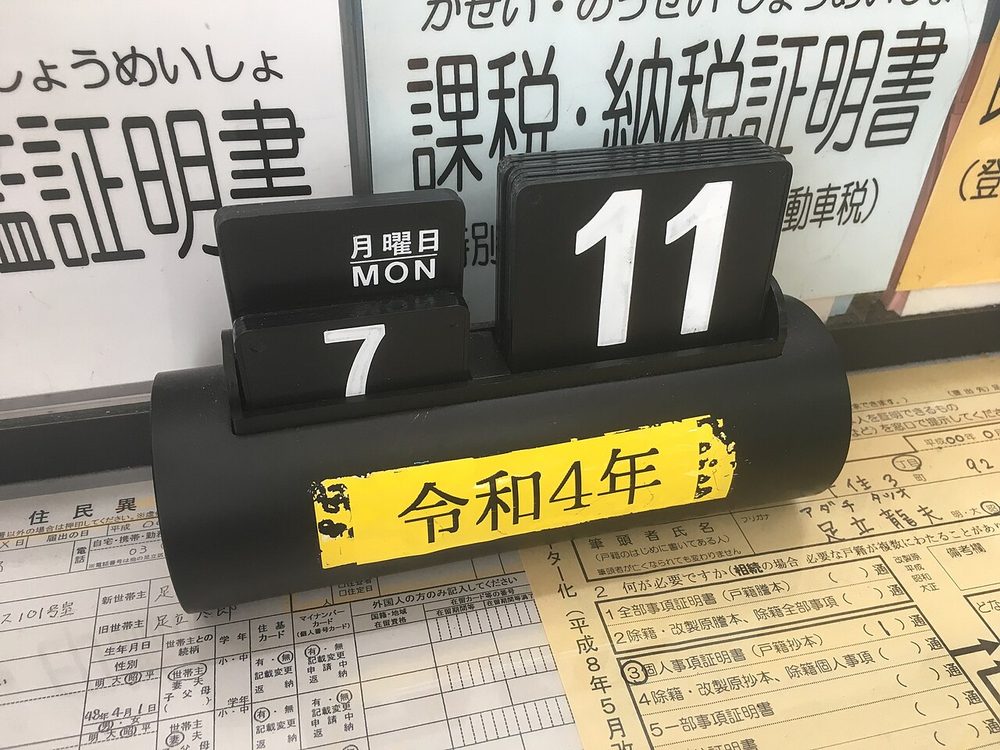
Tax has a calendar, and missing a date costs money. The dates are the same every year — the tax year always starts on 6 April and always ends on 5 April, and the Self Assessment deadlines always fall on the same days — but the consequences of missing them are automatic. This guide puts all the key dates in one place, explains what is due on each one, and says what records to keep and for how long.
The dates to remember
6 April: the tax year starts. 5 April: it ends. 5 October: register for Self Assessment. 31 October: paper return deadline. 31 January: online return, balancing payment, and first payment on account. 31 July: second payment on account. Keep Self Assessment records for at least 5 years after the 31 January deadline.
The tax year
The tax year starts on 6 April and ends on 5 April the following year. The 2026/27 tax year runs from 6 April 2026 to 5 April 2027. Everything in the tax system — your Personal Allowance, the bands, the deadlines — is worked out by tax year, not by calendar year.
Two other dates sit just after the year ends. 5 October is the deadline to register for Self Assessment if it is your first year and the tax year has ended — for 2026/27, that is 5 October 2027. And 31 October is the deadline for a paper tax return, for the few people who still file on paper.
Filing and payment dates
31 January is the big date. For the 2026/27 tax year, the online return is due by 31 January 2028, and so is the balancing payment — the tax you still owe for 2026/27 — and the first payment on account for 2027/28, if you make payments on account. The second payment on account is due on 31 July 2028.
There is one more date worth knowing: 30 December. If you file your online return by 30 December, you can ask HMRC to collect the tax you owe through your tax code, in instalments from your wages or pension over the following year, instead of paying it in one go. Check the conditions on GOV.UK — the option is only available in certain circumstances.
PAYE dates through the year
If you are an employee, most of the dates are your employer’s problem, not yours — but two are worth knowing. Your employer must give you a P60, your end-of-year tax summary, by 31 May after the tax year ends. And if you leave a job, your employer must give you a P45 on your last day, showing how much tax you paid in that job.
Your tax code can also change during the year — HMRC sends a new coding notice (form P2) when it does, and the new code should appear on your next or following payslip. If your code changes and you do not understand why, the P2 notice explains the calculation, and your Personal Tax Account shows the same information online.
What records to keep
If you file a Self Assessment return, you must keep your records for at least 5 years after the 31 January submission deadline. That means records for the 2026/27 tax year must be kept until at least 31 January 2033. The records include invoices, receipts, bank statements, and anything else that supports the figures on your return.
Even if you do not file a return, keep your P60s, payslips, and P45s. You need them to check a P800, to claim a refund — claims can go back 4 tax years — and to prove what you earned if HMRC ever asks. Paper is fine, but a scanned copy stored safely is easier to keep for years, and it survives a house move.
Where to check the dates
Tax dates can change, and the Budget sometimes moves a deadline or adds a new one — the Making Tax Digital start dates are a recent example. Do not rely on memory, or on this guide, for a date that matters to you: check the GOV.UK pages for Self Assessment deadlines and for paying your Self Assessment bill, and check your Personal Tax Account, which shows your own deadlines and the amounts HMRC expects from you.
Set reminders for the dates that apply to you — 31 January above all. The penalties for late filing start the day after the deadline, and they are automatic. A reminder set in October is worth far more than a panic in January.
Sources: GOV.UK, Self Assessment tax returns: deadlines; GOV.UK, Keeping records for Self Assessment; GOV.UK, Pay your Self Assessment tax bill.