Tax on Savings and Dividends
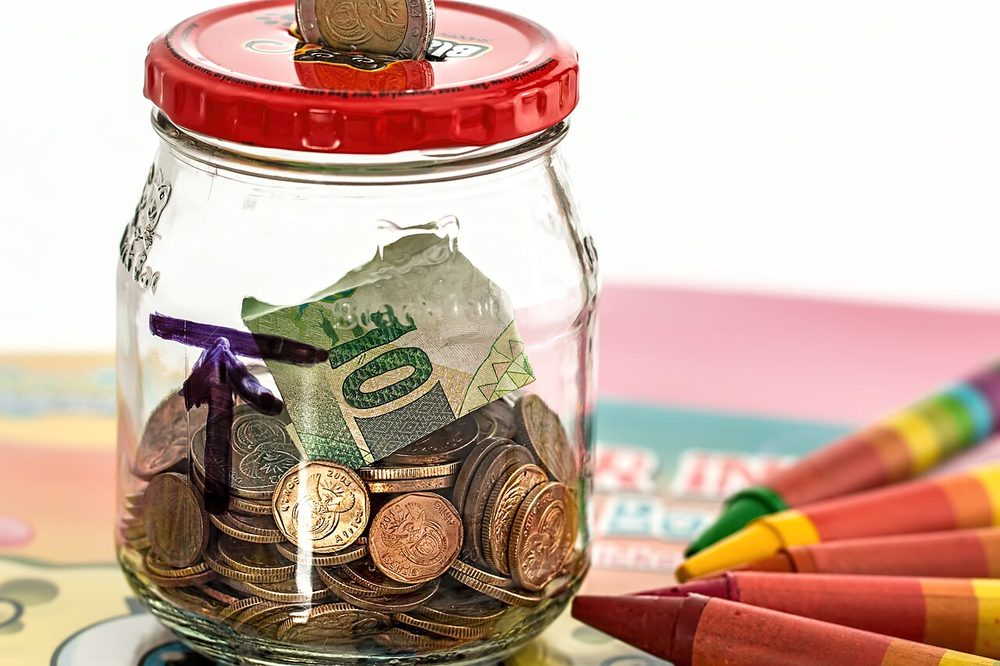

Interest on your savings and dividends from shares are both taxable — but both come with allowances that mean many people pay nothing at all. The rules are different for the two kinds of income, and they interact with your Income Tax band in ways that are easy to get wrong. This guide explains the Personal Savings Allowance, the starting rate for savings, the dividend allowance, and the dividend tax rates for 2026/27.
Savings and dividends in one paragraph
Basic-rate taxpayers can earn £1,000 of savings interest tax-free each year; higher-rate taxpayers £500; additional-rate taxpayers get no allowance. Dividend income has a £500 tax-free allowance, and above that dividends are taxed at 10.75% (basic rate), 35.75% (higher rate), or 39.35% (additional rate) in 2026/27.
The Personal Savings Allowance
Since April 2016, most people get a Personal Savings Allowance: an amount of savings interest they can receive each year without paying tax. For 2026/27, basic-rate taxpayers get £1,000, higher-rate taxpayers get £500, and additional-rate taxpayers get nothing. The allowance applies to interest from bank and building society accounts, and from other savings such as credit union accounts.
If your interest is below your allowance, there is nothing to pay and usually nothing to report — banks no longer deduct tax from interest before they pay it, so the interest arrives in full and HMRC works out any tax due through your tax code or Self Assessment. If your interest is above your allowance, the excess is taxed at your marginal Income Tax rate: 20%, 40%, or 45%.
The starting rate for savings
There is a second allowance that many people miss: the starting rate for savings. If your total income is under £17,570, you may get up to £5,000 of savings interest tax-free, on top of your Personal Allowance. The amount depends on how much of your income is not from savings: if your non-savings income is £12,570 or less, you get the full £5,000 starting rate; it shrinks as your other income rises, and it is gone once your other income reaches £17,570.
The starting rate is most useful for people on low incomes with savings — for example, a pensioner whose pension is below the Personal Allowance but who has savings. It is claimed through Self Assessment or by asking HMRC to adjust your tax code. If you think you qualify, check the GOV.UK guidance on tax on savings interest, because the calculation depends on your exact income mix.
The dividend allowance
Dividend income — money paid to you as a shareholder — has its own allowance. For 2026/27 the dividend allowance is £500: the first £500 of dividends you receive in the tax year is tax-free. The allowance has fallen a long way in recent years — it was £2,000 until 2022/23, then £1,000, then £500 — so more people now pay dividend tax than used to.
The allowance applies once, across all your dividends. If you receive dividends from several companies or funds, add them together. Dividends inside an ISA are not taxed at all and do not use up the allowance, which is one reason ISAs are popular with investors — but whether an ISA suits you is a personal decision this site does not advise on.
Dividend tax rates
Above the £500 allowance, dividends are taxed at special rates that are lower than the Income Tax rates on wages. For 2026/27 the rates are 10.75% for basic-rate taxpayers, 35.75% for higher-rate taxpayers, and 39.35% for additional-rate taxpayers. Your dividend tax band is decided by your total income: if your total income including dividends puts you in the higher-rate band, your dividends above the allowance are taxed at 35.75%.
Dividend income does not use up your Personal Allowance or your Personal Savings Allowance — it sits on top of your other income. And dividends are not charged National Insurance. If you receive more than £10,000 in dividends in a year, you will usually need to file a Self Assessment return; below that, HMRC can often collect the tax through your tax code.
How the tax is collected
For most people with modest savings and dividends, HMRC collects the tax by adjusting the tax code — so the tax comes out of wages or a pension a little at a time. If you file a Self Assessment return, you declare the interest and dividends on the return and the tax is included in your bill. Either way, the responsibility is yours to make sure HMRC knows about the income.
Keep records of your interest and dividends: bank statements, dividend vouchers, and the tax certificates your bank or broker sends. If HMRC later asks, those records are your evidence. And remember that the allowances are annual — unused allowance does not carry forward to the next tax year.
Sources: GOV.UK, Tax on savings interest; GOV.UK, Tax on dividends; GOV.UK, Budget 2026 Annex A: rates and allowances.